 Dry Flakes or Oily Dandruff: How to Tell the Difference
Scalp flakes may look similar, but dry and oily flakes can differ in their causes, appearance and care needs. A product or routine may disappoint if it does not suit your scalp.
This article explains the main differences and the signs that may help you recognise what is happening on your scalp.
Why Does the Type of Flaking Matter?
Recognising your scalp needs helps you choose a suitable routine and avoid products that may not suit it.
For example, a dry scalp needs different care from a scalp producing excess oil.
What Are Dry Scalp Flakes?
Dry flakes can appear when the scalp becomes dry and skin cells shed.
Common Signs
Small, white flakes
Flakes that fall easily onto clothing
A dry or tight feeling on the scalp
Often more noticeable in winter
What Are Oily Flakes, and How Do They Differ?
Oily flakes are often associated with increased scalp oil, which can make them thicker and more adherent.
Common Signs
Larger flakes
White to yellowish in colour
Flakes that cling to the scalp
Possible itching or an oily feeling
Dry and Oily Flakes Compared:
| Dry Flakes | Oily Flakes |
| Small, light flakes | Larger, thicker flakes |
| Fall away easily | Cling to the scalp |
| A dry scalp | An oily scalp |
| Often worse in winter | May increase with excess oil |
Questions to Help You Recognise Your Scalp Needs
Ask yourself:
Does your scalp feel oily a day after washing?
If so, the flaking may be associated with oiliness.
Do flakes fall easily onto your clothes?
This may suggest dry flaking.
Does your scalp look noticeably shiny?
This is often associated with oiliness.
Does your scalp feel very dry after washing?
That may be a sign of dry flaking.
Note: These questions offer a starting point, rather than a diagnosis. Consult a dermatologist if symptoms are severe or persistent.
Can the Type of Flaking Change?
Yes. Weather, new products and changes to your routine can affect your scalp, so its care needs may change over time.
How to Choose a Suitable Scalp Care Routine
Understanding the flaking makes it easier to choose suitable scalp care products.
Explore the scalp care products available in our store.
For a more complete scalp care routine, explore:
CLARY Anti-Dandruff Shampoo 300ml

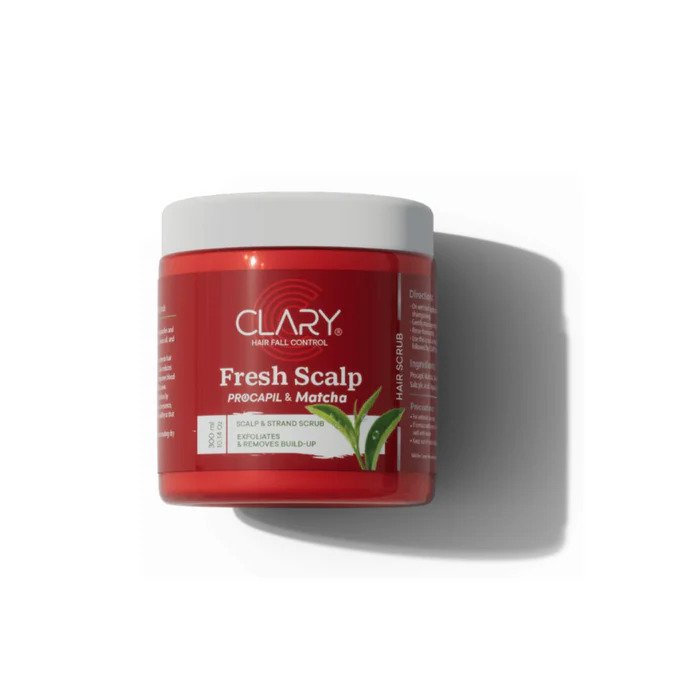
Clary Fresh Scalp Scrub 300 ml
Frequently Asked Questions
Are Dry Flakes More Serious than Oily Flakes?
Not necessarily. The causes and suitable care can differ.
Can Dry Flaking Become Oily?
The scalp can change over time or in response to products, so the pattern of flaking varies between people.
Can You Identify the Type at Home?
You can observe some signs. Persistent symptoms or marked inflammation should be assessed by a dermatologist.
Can I Use the Same Shampoo for Every Type of Flaking?
Choose a shampoo suited to your scalp and follow its directions.